






Norbiton garden waste removal seasonal tips 2026 clearance
Posted on 17/08/2026

If your garden in Norbiton has reached that awkward point where the shed feels full, the borders are messy, and the green bin is already bursting before the weekend even starts, you are not alone. Seasonal clear-outs can creep up fast, especially after a wet winter, a busy spring grow-on, or one of those late-summer sessions where every hedge seems to need attention at once. This guide to Norbiton garden waste removal seasonal tips 2026 clearance is designed to help you plan ahead, avoid the usual mistakes, and make the whole job feel less like a slog.
We will look at what counts as garden waste, how seasonal clearance works in real life, what to do in each part of the year, and when it makes sense to book a professional collection instead of trying to wrestle everything yourself. There is a practical side to this, but also a calmer one: once the waste is sorted properly, the whole garden feels lighter. You notice the space again. That is usually the bit people want most.
Why Norbiton garden waste removal seasonal tips 2026 clearance Matters
Seasonal garden waste is not just "a few clippings". In Norbiton, where many homes balance compact outdoor spaces with mature planting, hedges, lawns, and often a shed full of half-finished projects, waste can build up quietly and then all at once. A spring prune, a summer mow, an autumn leaf drop, and a winter tidy-up can each leave a different kind of mess. By the time you get around to sorting it, there may be a mix of green waste, woody cuttings, soil, old pots, broken canes, and the occasional surprise item you forgot was even there.
That is why seasonal planning matters. It helps you decide what can be bagged and moved quickly, what needs separating, and what should be handled carefully because it might be bulky, sharp, damp, or unsuitable for ordinary garden waste collections. A well-timed clearance also reduces smells, pests, and the sort of slip hazards that appear after wet weather. Truth be told, a soggy heap of hedge trimmings is nobody's idea of a relaxing Saturday.
There is another angle too: timing. When the weather turns, demand for clearance can rise. If you wait until the garden is already overflowing, you are usually dealing with a bigger pile, a tighter schedule, and a bit more stress. The smarter approach is to break the year into manageable tidy-up windows and deal with waste before it becomes unmanageable.
If you are also working through a broader property refresh, it can help to think beyond the garden. Many people pair seasonal outdoor clearances with wider home projects, and sometimes it makes sense to look at general waste clearance support as part of the plan. If you are comparing broader services, the services overview is a useful starting point.
How Norbiton garden waste removal seasonal tips 2026 clearance Works
In practical terms, garden waste removal is about separating the waste, loading it safely, and making sure it is taken away in a way that supports responsible recycling or disposal. For many households, the process starts with a walk around the garden to identify the main categories. Once you know what you are dealing with, the job becomes much easier.
Typical garden waste includes leaves, grass cuttings, branches, hedge trimmings, weeds, plants, moss, small roots, and soil in limited amounts. Some items are straightforward. Others are a bit awkward. Thick branches, thorny trimmings, wet turf, and mixed waste hidden under tarps or in bins can take longer to sort. And let's face it, the weather never helps. A dry pile is one thing; a rain-soaked one is another.
Most seasonal clearances follow a similar rhythm:
- Assess the waste - decide what can stay, what can compost, and what needs collecting.
- Separate materials - keep green waste apart from plastic, timber, old plant supports, and non-organic items.
- Bag or bundle sensibly - use manageable loads rather than overstuffed bags that tear on the path.
- Clear access routes - make sure gates, side passages, and driveways are usable.
- Arrange removal - either through your own transport, a local collection method, or a professional team.
- Finish with a reset - sweep paths, check for sharp debris, and leave the garden ready for the next season.
In 2026, most people will still want the same core thing: a tidy, predictable, low-fuss clearance process. The exact method may vary depending on access, volume, and timing, but the principle stays the same. Keep the waste separated, keep the load manageable, and do not leave the hard decisions until the last minute.
If your clearance overlaps with a bigger household move or a renovation, it may be worth looking at rubbish removal options in Kingston as well, especially when the garden waste is only part of the pile.
Key Benefits and Practical Advantages
The obvious benefit is a cleaner garden. That alone can be worth it. But seasonal clearance does a lot more than just remove a pile of branches.
- Better space use - once the waste is gone, patios, lawns, paths, and planting beds are easier to enjoy and maintain.
- Healthier garden conditions - removing decaying material can reduce mould, pests, and rot around beds and borders.
- Safer movement around the property - fewer slippery leaves, hidden sticks, and awkward bags on the ground.
- Less pressure on bins - a proper clearance stops green waste from taking over household rubbish storage.
- Cleaner results after pruning - when waste is cleared promptly, the finished garden looks deliberate rather than half-done.
There is also a mental benefit people often underestimate. A garden with leftover clutter feels unfinished, even if the planting is beautiful. Once the waste is removed, the whole space tends to settle. You hear the wind in the trees, not the rustle of half-filled rubble sacks. Small thing, maybe. But it matters.
From a practical point of view, good seasonal planning also saves money in roundabout ways. Fewer emergency clearances, fewer overloaded bags split open mid-job, fewer trips back and forth to the tip, fewer "I'll deal with it next week" situations that drag on for months. That is a decent trade-off.
For readers interested in the wider sustainability side of waste handling, recycling and sustainability is a helpful page to understand the broader approach to reuse and responsible disposal.
Who This Is For and When It Makes Sense
This kind of seasonal clearance is useful for a lot of different people, not just keen gardeners. In Norbiton, it often makes sense for:
- homeowners doing spring and autumn garden resets
- landlords preparing a property between tenancies
- families with trees, hedges, or a fast-growing lawn that seems to need attention every five minutes
- older residents who want the garden cleared but do not want the lifting and dragging
- busy professionals who keep putting off the same jobs until the pile becomes impossible
- people who have combined garden waste with old outdoor furniture, broken fencing, or general clutter
It also makes sense after weather events. A windy week can leave branches, broken planters, and scattered debris across the garden. After heavy rain, you may notice that leaf build-up has turned the lawn patchy and the path slippery. In those cases, it is not just about appearance. It is about keeping the space usable.
If you are in the middle of a move or sale, you might also find the home-focused content useful. The article on property purchase in Kingston gives a sense of how outdoor presentation can support a broader move-in or move-out plan, and buying homes in Kingston has useful local context too.
When does it make sense to book? Usually before the waste becomes a storage problem. If bags are stacking up in the corner, if the compost bin is full, or if pruning has produced more woody material than expected, that is your cue. Not next month. Probably now.
Step-by-Step Guidance
Here is a simple, realistic way to handle seasonal garden waste without turning the day into chaos.
1. Walk the garden first
Start with a slow walk around the space. Look at the borders, under shrubs, behind sheds, and along fence lines. People often miss the hidden pile. That forgotten mound behind the bench can be half the job. Sometimes more.
2. Split waste into clear groups
Separate green waste from anything non-organic. Grass, leaves, and soft pruning can go together. Thick branches, canes, broken pots, old plastic trays, and rusted wire should be set aside. If you mix everything, the clear-out becomes slower and less recyclable.
3. Decide what can be composted
In some gardens, a compost heap or bin can absorb a fair amount of soft material. Not all waste needs removing. But be selective. Diseased plants, invasive weeds, and large woody material may be better removed rather than composted at home.
4. Prepare the waste for collection
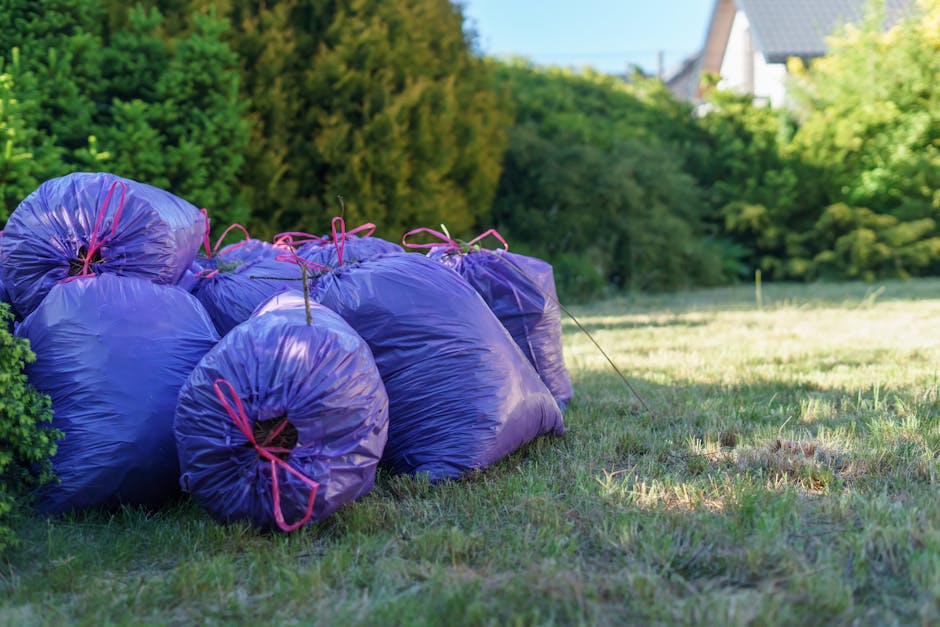
Use bags or bundles that are actually liftable. It sounds obvious, but overfilled bags are a classic mistake. Keep loads even, secure sharp ends, and do not leave spiky cuttings poking out where they can catch on gloves or clothing.
5. Clear access routes
Make sure the side gate opens fully, the path is not blocked, and any heavy items can be moved without awkward twisting. In Norbiton, where access can vary from property to property, a clear route can save real time. It also helps avoid damage to walls, steps, and flowerbeds.
6. Remove waste promptly
The best time to clear waste is while it is still manageable. Wait too long and wet leaves compact, branches dry out and take more space, and the whole job feels bigger than it really is. A quick turnaround is usually easier on the back, if nothing else.
7. Finish with a seasonal reset
Once the waste is out, do a final sweep. Check for screws, nails, broken ties, and those small plastic tags that somehow end up everywhere. Then step back and look at the space. A neat garden tells you where the next job should start, which is oddly satisfying.
Expert Tips for Better Results
These are the small details that make a seasonal clearance go much more smoothly.
- Tackle the job after a dry spell if possible. Wet waste weighs more and is harder to handle. It sounds minor, but it changes everything.
- Cut long branches down before bagging. Shorter lengths are easier to stack, lift, and load safely.
- Keep a separate pile for non-green waste. Old plant pots, fencing offcuts, and damaged tools often creep in by accident.
- Use gloves that actually grip. Thin gloves that slip on damp stems are frustrating, and yes, a bit pointless.
- Plan around the season, not just the weekend. A quick spring cutback, a midsummer tidy, and a proper autumn clearance often work better than one huge yearly clear-out.
One detail people often ignore: smell. A pile of wet leaves or grass cuttings left in a corner too long can develop a sour, earthy smell that drifts through the garden. Not dramatic, just unpleasant. Getting waste out quickly avoids that.
If access is tight, the local access-focused guides can help you think through logistics before collection day. For example, clearance access tips and same-day rubbish collection expectations both reflect the kind of practical planning that avoids last-minute headaches.
And if your project involves other heavy outdoor materials too, the advice in builders waste disposal can be relevant, especially where garden landscaping overlaps with construction debris.
Common Mistakes to Avoid
Garden waste is deceptively simple. The mistakes usually come from assuming it will sort itself out later. It won't.
- Mixing garden waste with general rubbish. This complicates sorting and can reduce what can be recycled or reused.
- Leaving waste exposed to the weather. Rain turns light material into heavy, awkward material fast.
- Overfilling bags. Bags that are too heavy or too full are harder to move and more likely to split.
- Ignoring thorny or sharp cuttings. Roses, brambles, and broken canes can catch on clothing and scratch skin.
- Forgetting access limits. Narrow side paths, low gates, and steps can turn a simple lift into a full-body puzzle.
- Assuming everything green can be composted. Diseased material and some invasive weeds should be handled carefully.
There is also the "I'll just pile it in the corner for now" habit. We have all seen it. It begins with good intentions and ends with an untidy mound that stays there through three weather changes and a family barbecue. Best not.
If you are trying to keep costs under control, it helps to understand the pricing side too. The page on real rubbish removal costs in Kingston is useful for comparing the kind of factors that affect quotes, and the article on cheap waste removal and hidden fees is worth a read before you commit to the lowest number on the page.
Tools, Resources and Recommendations
You do not need a shed full of specialist kit, but the right basics help. A tidy seasonal clearance usually goes better with:
- strong garden gloves with decent grip
- heavy-duty sacks or reusable collection bags
- loppers or secateurs for trimming branches down to size
- a rake for leaves and loose debris
- a wheelbarrow or tub for moving material to a collection point
- a broom and dustpan for paths and patios
- tarpaulin or an old sheet for dragging bundled waste without scattering it everywhere
As for resources, the most practical ones are the pages that explain the service types themselves. If you are unsure whether your job is simple garden waste, mixed junk, or something broader, start with the garden waste removal service and then look at the broader services overview to see where your project fits.
For bigger clearances involving property transitions, the content on house clearance and estate clearance examples can help you spot the difference between a straightforward garden job and a multi-area clear-out. The titles sound broader, because they are, but that is exactly why they can be helpful when a garden project gets unexpectedly messy.
If you want to read more about the business background, trust, and operational approach, the about us and insurance and safety pages are worth a look. Not flashy, but reassuring. Which, honestly, is what you want.
Law, Compliance, Standards, or Best Practice
Garden waste removal in the UK is usually straightforward, but it still pays to follow normal best practice. At a minimum, waste should be handled responsibly, sorted sensibly, and passed to a proper waste carrier if you are using a professional service. If you are hiring someone, it is sensible to check that they are operating properly and that the waste will be dealt with in line with expected UK standards.
For householders, the main practical points are simple:
- do not leave waste where it blocks pavements, shared access routes, or neighbours' property
- separate obvious non-garden items from green waste
- keep sharp or heavy material controlled and clearly bundled
- avoid fly-tipping by never handing waste to an unknown collector
Best practice also means being honest about what the job involves. If the pile contains branches, soil, old decking, fencing, or mixed rubbish, say so early. That helps avoid confusion on collection day. It also avoids the classic "oh, there's a bit more than I thought" moment, which is funny only once.
For readers who are comparing service terms, the terms and conditions and privacy policy pages are there for clarity, while the payment and security page is useful if you are thinking through how a booking is handled. These are not glamorous reads, admittedly, but they matter when trust is part of the decision.
In some situations, access and parking can also affect what is realistic on site. If your property is on a narrower Norbiton street or has limited frontage, it is worth thinking about loading space, timing, and how waste will be carried. A little planning goes a long way. A very long way, in some cases.
Options, Methods, or Comparison Table
Different garden waste jobs call for different methods. The right choice depends on volume, access, urgency, and whether you have time to do the sorting yourself.
| Method | Best for | Pros | Watch out for |
|---|---|---|---|
| Home composting | Leaves, grass, soft plant matter | Low waste, useful for the garden, simple for small volumes | Not suitable for diseased plants, invasive weeds, or large woody material |
| Green bin or local collection | Routine small seasonal waste | Convenient for regular tidy-ups, easy for light loads | Capacity limits, schedule constraints, and restrictions on what can go in |
| Self-load and take away | Households with transport and time | Direct control, useful for mixed small loads | Multiple trips, lifting effort, and timing around opening hours |
| Professional removal | Large, mixed, heavy, or urgent clearances | Fast, less physical effort, better for awkward access | Costs vary by volume and waste type, so accurate descriptions matter |
In many Norbiton homes, the best answer is not one method forever. It changes by season. Compost a little, bin a little, remove the bulky part. That mixed approach is often the most sensible one.
Case Study or Real-World Example
Here is a realistic example based on the kind of clearance many local homes face.
A small Norbiton garden had spent the winter collecting leaf litter, pruned twigs, a damaged tomato frame, and a tired pile of old canes by the fence. By early spring, the owner also had a few broken plant trays and some general clutter from a shed tidy-up. Nothing dramatic. Just enough to make the garden look untidy every time they opened the back door.
The first attempt was to "deal with it later". Of course, later became later and later. When the weather finally improved, the waste had become wetter, heavier, and harder to move. The pile had also spread out a bit, which is a very normal thing for a pile to do, annoyingly.
The solution was simple but effective:
- sort the green waste from the mixed clutter
- cut the longer branches down into shorter, easier lengths
- remove the broken plastic trays and old supports separately
- clear a straight path to the side gate before loading
- book removal once the full volume was known, not before
The result was not just a cleaner corner. The whole garden felt larger. The path was usable again, the borders looked intentional, and the shed could be opened without stepping over a tangle of old stakes. Nothing magical. Just a good clearance done at the right time. Sometimes that is all a garden really needs.
If you are comparing local context and property-related routines in Kingston, the article on Kingston living advice from local residents offers a broader sense of everyday upkeep and local pace, which is surprisingly relevant when you are trying to stay on top of outdoor spaces.

Practical Checklist
Use this before any seasonal garden waste clear-out in Norbiton.
- Check what type of waste you actually have: green waste, branches, soil, mixed items, or bulky extras.
- Separate anything non-organic before you start loading.
- Trim long cuttings down so they are easier to handle.
- Make sure bags are not overfilled or too heavy to lift safely.
- Clear the path to the collection point and open gates fully.
- Move sharp items into a safer bundle or container.
- Keep waste dry where possible if collection is not immediate.
- Decide what can be composted and what should leave the property.
- Check for any old garden items hidden under the pile.
- Finish with a sweep of paths, steps, and patio edges.
One last thing: if the job starts small and becomes large halfway through, do not feel silly. That happens all the time. Gardens have a habit of revealing more work the moment you move the first bag.
Get a free quote today and see how much you can save.
Conclusion
Seasonal garden waste removal in Norbiton does not need to be complicated. The winning formula is usually the same: sort the waste early, match the method to the season, keep access clear, and do not underestimate how quickly a small pile can turn into a weekend-consuming mess. If you stay ahead of the growth, the whole garden feels easier to live with. Cleaner, calmer, more usable.
For 2026, the smartest approach is simply to treat garden clearance as part of the year's rhythm rather than a one-off emergency. A little planning in spring, summer, autumn, and winter saves a lot of hassle later. And once the waste is gone, the garden tends to give back in a quiet way. More light. More space. More room to enjoy it properly.
Take it one season at a time, and the job is far less daunting than it first looks. That is usually how the best home projects go, really.


 Tipper Van - Rubbish Clearance and Rubbish Removal Prices in Kingston upon Thames, KT1
 Luton Van - Rubbish Clearance and Rubbish Removal Prices in Kingston upon Thames, KT1