






Estate clearances Surbiton Hill before and after case study
Posted on 26/06/2026
If you are planning an estate clearance in Surbiton Hill, the biggest question is often not what needs removing, but how the space will feel once it is done. That is exactly why an Estate clearances Surbiton Hill before and after case study is so useful. It shows the process in plain English, from the first walkthrough to the final sweep-up, and helps you understand what a well-run clearance should actually look like.
In a real home, this work is rarely just about "rubbish removal". There may be furniture to sort, personal items to separate, access issues to think through, and family decisions to make carefully. The difference between a stressful clear-out and a smooth one usually comes down to planning, patience, and the right method. Let's face it, when a property has been lived in for years, there is always more to untangle than meets the eye.
This guide walks through the full before-and-after journey, explains why the clearance matters, and gives you practical advice you can use whether you are dealing with a bereavement, a downsizing move, a landlord handover, or a property sale. You will also see where services like house clearance support can fit into the picture when a job is bigger than expected.
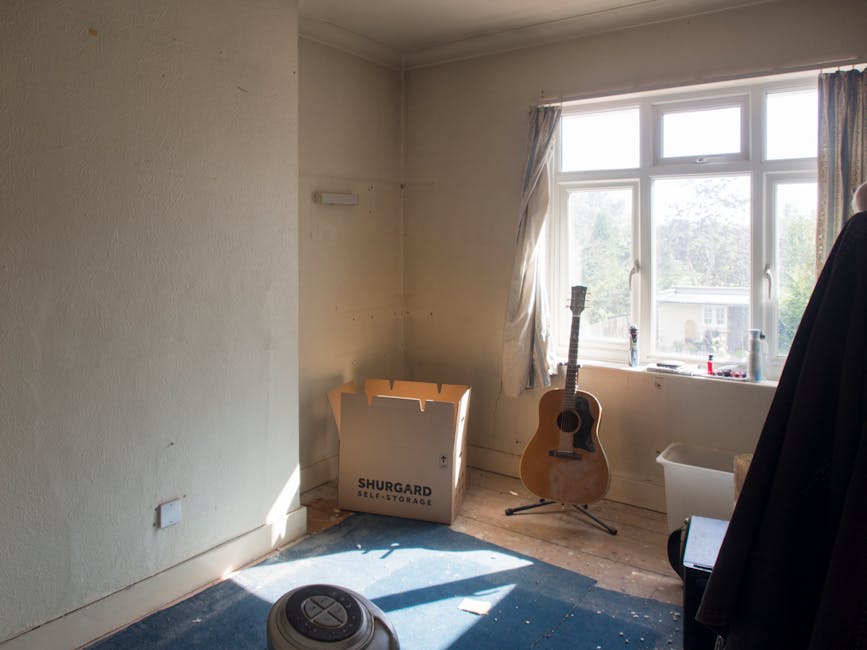
Why Estate clearances Surbiton Hill before and after case study Matters
A before-and-after case study does more than show a tidy room at the end. It gives you a realistic picture of what estate clearance changes in practice: how much space is recovered, how the emotional tone of the property shifts, and how much easier it becomes to manage the next step, whether that is sale, rental, refurbishment, or handover to family members.
In Surbiton Hill, properties often have a mix of long-held furniture, attic storage, garage overflow, and a few surprise items hiding in corners. That "just one more cupboard" moment is very real. A case study helps set expectations early. It shows that clearances are not magical; they are methodical. And that matters because the work often happens during already-sensitive periods.
There is also a practical reason this format matters. A before-and-after breakdown helps families and executors make faster decisions. You can see what gets kept, what gets donated or recycled where appropriate, and what needs special handling. It is a useful way to reduce indecision, which is often the real thing slowing the job down.
If you are comparing clearance options, a well-documented process also helps you judge quality. A serious provider will talk clearly about sorting, lifting, loading, responsible disposal, and final checks. They will not just say "we cleared it" and disappear. That is a red flag, honestly.
How Estate clearances Surbiton Hill before and after case study Works
The simplest way to understand a case study is to see it as a sequence: assess, sort, remove, clean, and hand over. A good estate clearance is not just a van turning up and emptying everything in sight. The best results come from a measured approach.
First, the property is reviewed. This usually involves looking at access, volume, item types, and any items that need extra care. Then the team decides how the clearance should be staged. Some homes are best tackled room by room. Others work better with categories, such as furniture, general household contents, white goods, paperwork, or garden overflow.
Next comes the actual removal. This can be physically demanding, especially in older properties or in homes with narrow staircases. If access is awkward, planning matters even more. For example, a ground-floor flat with a tight hallway is a very different job from a three-storey house with a loft full of boxed belongings. For local access-related reading, you may also find rubbish clearance access tips useful, even if your home is not on Clarence Street specifically.
After removal, a proper team will leave the property swept and visually ready for the next stage. That final pass is often underrated. The empty room might look simple, but the quality shows in the details: corners cleared, floors visible, and no forgotten fragments left behind. Small thing, big difference.
The "after" part of the case study should ideally show a space that is calm, usable, and easy to inspect. In a sale situation, this can make viewings feel lighter and less crowded. In a probate or family handover, it can make decisions feel less overwhelming. You can almost hear the room breathe again, if that does not sound too poetic.
Key Benefits and Practical Advantages
Estate clearance is one of those jobs where the benefits are obvious only after the work is done. Before then, the piles of items can feel oddly permanent. Afterward, the property often feels completely different.
- Faster decision-making: A structured clearance reduces the mental load of sorting through everything at once.
- Better presentation: An emptied or partly cleared home is easier to sell, rent, inspect, or refurbish.
- Safer movement: Removing clutter lowers trip hazards and makes rooms easier to access.
- More efficient follow-up work: Surveyors, decorators, estate agents, and cleaners can work more easily in a cleared space.
- Less emotional friction: When sensitive belongings are handled methodically, the process feels more respectful.
- Responsible disposal: Items can be sorted for reuse, recycling, or disposal rather than all going one way.
There is also a less obvious benefit: clarity. Once the physical clutter drops away, families often find it easier to think. That sounds simple, but in practice it can unlock decisions that had been stuck for weeks.
If the property is being prepared for sale, you may also want to read a detailed property purchase guide to understand how presentation and timing can affect the wider handover process. The connection is indirect, but very real.
Who This Is For and When It Makes Sense
This kind of estate clearance is not only for large houses or major probate cases. It can make sense in a surprisingly wide range of situations.
You may need it if:
- a family home has to be prepared after a bereavement;
- you are downsizing and need to clear a long-occupied property;
- a landlord needs the home ready for re-let after a tenancy ends;
- a property is going on the market and needs to look open and manageable;
- a garage, loft, or outbuilding has become unworkably full;
- there are a mix of reusable items and general waste to deal with;
- you need a professional team because the job is too large or too emotional to handle alone.
It also makes sense when the family simply does not have the time. We all like to imagine a calm weekend sorting boxes with tea and labelled bags. In reality, life tends to interrupt that plan by about 9:30 on Saturday morning. A proper clearance service helps keep momentum going.
For people living or buying locally, Surbiton Hill has its own housing rhythm and practical pressures. A useful local perspective is often helpful, so this article pairs naturally with local living advice from Kingston residents and related area content about moving and settling in.
Step-by-Step Guidance
Here is a practical way to think about the process from first call to final clear-out.
- Survey the property carefully. Walk through every room, including lofts, sheds, and storage areas. Note fragile, sentimental, hazardous, or oversized items.
- Separate priorities. Keep, donate, recycle, dispose, and review later. That "review later" pile is normal, by the way. Don't panic if it exists.
- Check access and timing. Think about parking, stairs, narrow halls, lift access, and neighbour considerations. If the property is tricky to access, planning becomes much more important.
- Remove obvious waste first. Clear broken items, loose rubbish, packaging, and anything that blocks movement. It creates space to work properly.
- Handle bulky items next. Furniture, wardrobes, beds, cabinets, and heavy appliances usually need a coordinated lift plan.
- Review paperwork and valuables separately. Important documents, photographs, jewellery, and personal records should be checked before anything leaves the building.
- Finish with a final clean-down. Sweep the floors, check corners, and ensure nothing is left behind.
If the property contains mixed loads, it is often smarter to approach the job in layers rather than all at once. That approach keeps the process calmer and reduces mistakes. A room can look overwhelming before the first hour is done, and then suddenly become manageable. Funny how that works.
For a wider view of disposal planning, especially where mixed materials are involved, see the site's services overview and recycling and sustainability guidance. Those pages help frame the job beyond a single room or one-off collection.
Expert Tips for Better Results
A few practical habits can make an estate clearance noticeably smoother. These are the details that often separate a decent job from a genuinely good one.
- Photograph rooms before you start. It helps with record-keeping and gives everyone a visual reference.
- Label sentimental items early. If something may be kept by family members, mark it clearly before the rest of the sorting starts.
- Use a "maybe" box sparingly. Too many maybe piles create delays. Be kind, but decisive.
- Keep a separate box for documents. This prevents accidental disposal of paperwork you may need later.
- Plan for heavier items first. Bulky furniture tends to dictate the pace of the clearance.
- Confirm disposal routes in advance. Reuse, recycling, donation, and waste each need different handling.
One simple but valuable tip: make sure someone is responsible for final sign-off. Without that, jobs can drift. A one-minute final check often catches the item everyone forgot existed. Usually the thing in the hallway. Or the shed. Always the shed.
If you are dealing with a property after refurbishment or alongside other works, it can help to compare with builders waste disposal in Kingston upon Thames. The waste stream is different, but the discipline around sorting and loading is surprisingly similar.

Common Mistakes to Avoid
Estate clearances go wrong most often because people underestimate the time, the volume, or the emotional complexity. The good news is that most of the common mistakes are easy to avoid once you know what to watch for.
- Leaving sorting too late: If every decision is made on the day, the process slows down dramatically.
- Ignoring access constraints: Tight stairs, parking issues, and shared entrances can create avoidable delays.
- Not checking for valuables: Small items are easy to miss in crowded rooms.
- Mixing rubbish with keep piles: This sounds obvious, but it happens all the time when people are rushing.
- Forgetting about hazardous items: Some items need special handling, so they should not be bundled into a general load.
- Expecting a single pass to solve everything: Larger estates often need staged clearing, not one heroic sweep.
There is also a scheduling mistake worth mentioning. If viewings, contractors, or legal steps depend on the property, do not leave the clearance until the last possible day. A property can look "almost done" for a while, and then one stubborn room turns into the bottleneck. Happens more than people think.
For timing-related planning in local settings, you might find what to expect from same-day rubbish collection helpful as a reference point for how quickly clearance work can move when organised properly.
Tools, Resources and Recommendations
You do not need a warehouse of equipment for a good estate clearance, but a few basics make the day far less chaotic.
- Strong boxes and sacks: For sorting documents, smaller household items, and loose contents.
- Labels or marker pens: Essential for keep, donate, review, and dispose categories.
- Protective gloves: Useful for dusty lofts, gardens, and older storage spaces.
- Cleaning cloths and a dustpan: Handy for the final sweep and visual finish.
- Notebook or phone notes: Good for tracking items that need follow-up.
- Photo record: A quick visual log can save confusion later.
From a service perspective, it often helps to choose a provider that is comfortable with house clearance, mixed waste, and collection logistics rather than only one narrow task. If you are comparing approaches, a broad rubbish removal service or a dedicated waste clearance option may be more suitable than trying to piece together several partial solutions.
Where gardens, outbuildings, or exterior storage are involved, a separate clearance stream may be sensible too. The same goes for office equipment if the property doubles as a home office. It is all about matching the method to the mess, really.
Law, Compliance, Standards, or Best Practice
Estate clearance often touches on sensitive or regulated areas, so careful handling matters. In the UK, the exact obligations can vary depending on item types, tenancy status, property ownership, and whether there are hazardous materials involved. It is sensible to treat legal and compliance questions cautiously rather than assume every clearance is the same.
Good practice usually includes:
- checking ownership of items before disposal;
- separating potentially valuable or personal documents;
- avoiding unsafe handling of sharp, broken, or contaminated items;
- using proper disposal routes for items that should not go in general waste;
- keeping a clear record when executors, landlords, or family members need accountability.
If there are electrical items, sofas, mattresses, or mixed household waste, responsible handling becomes even more important. Reuse and recycling should be considered where practical, but only where items are suitable. No one benefits from pretending a broken chair is "salvageable" just to feel better about it.
For reassurance around business practices and trust, you can also review pages such as about the company, insurance and safety, and payment and security. Those pages are not a substitute for job-specific judgement, but they do help build confidence before you book anything.
Options, Methods, or Comparison Table
There is no single "best" way to manage an estate clearance. The right method depends on time, access, volume, emotional sensitivity, and what the property needs next. Here is a simple comparison that may help.
| Method | Best for | Advantages | Watch-outs |
|---|---|---|---|
| Self-clearance | Very small jobs, flexible timelines | Full control, no service booking | Time-consuming, physically demanding, easy to overlook items |
| Partial clearance | Rooms or areas that need staged work | Good balance of control and support | Can stall if decisions are not made quickly |
| Full estate clearance | Large homes, probate cases, sale preparation | Most efficient, less stress for families | Needs clear instructions and careful item separation |
| Mixed waste collection approach | Homes with household waste plus bulky items | Efficient for cluttered properties | Must be organised so keep items are not removed by mistake |
If the property includes a garden, patio, shed, or long-neglected side return, the method may need to include garden waste removal support as well. A lot of homes are more mixed-use than they first appear, to be fair.
Case Study or Real-World Example
Here is a realistic Surbiton Hill-style example based on the sort of job that comes up often.
A family needed to prepare a long-occupied property for sale after several generations of belongings had built up. The home had a front room full of furniture, a spare bedroom used as storage, a loft with boxed paperwork, and a garden area with broken outdoor items. At first glance, the house felt heavy and hard to read. Rooms were walkable, but only just.
Before: the family described the property as visually crowded, difficult to photograph, and emotionally draining. There were multiple duplicate items, old soft furnishings, mixed paperwork, and several large objects that could not be moved easily without planning. The main worry was not just volume. It was how to decide what stayed.
The clearance was handled in stages. The team and family first separated paperwork and sentimental belongings. Then the furniture and bulky items were removed. Finally, the smaller household contents and miscellaneous waste were cleared out. The loft and garden were treated as separate mini-projects so nothing got rushed.
After: the rooms felt brighter, easier to inspect, and much more suitable for photography and valuation. The family could see the structure of the home again. That may sound dramatic, but anyone who has stood in a cleared room after days of sorting knows exactly what I mean. The property had not changed size, of course. But it changed presence.
The best part? The family was able to focus on decision-making instead of moving the same box from one corner to another for the fourth time. Very satisfying, that.
In a case like this, the real value of the before-and-after approach is not just the finished room. It is the reduction in friction along the way. That is what people usually remember later.
Practical Checklist
Use this checklist before starting an estate clearance in Surbiton Hill:
- Confirm who has authority to decide what stays and what goes.
- Walk through every room, including loft, shed, cellar, and garage.
- Separate sentimental, legal, and financial paperwork.
- Set aside valuables, keys, photo albums, and family keepsakes.
- Mark items for reuse, donation, recycling, or disposal.
- Check access, parking, stairs, and any loading restrictions.
- Identify awkward or heavy items early.
- Decide whether the job will be full, partial, or staged.
- Make sure hazardous items are dealt with carefully.
- Plan a final sweep and sign-off before handover.
If you want a practical starting point for service selection, the services overview can help you understand which type of support fits a clearance-heavy property and which one is better for a smaller cleanup.
Get a free quote today and see how much you can save.
Conclusion
An estate clearance is never just about emptying a house. It is about restoring order to a space that probably means a lot to someone, and doing it with enough care that the next step feels possible. A solid before-and-after case study gives you a clear picture of what good looks like: calm sorting, sensible removal, respectful handling, and a property that feels ready for whatever comes next.
If you are managing a home in Surbiton Hill, take your time with the decisions but not so much time that the whole process stalls. Plan the sort, protect the meaningful items, and choose a method that fits the property rather than forcing the property to fit the method. That one shift makes a bigger difference than people expect.
And once the last room is clear and the light finally falls across the floor properly, you will probably feel it too: a little relief, a little space, and a much easier path forward.



 Tipper Van - Rubbish Clearance and Rubbish Removal Prices in Kingston upon Thames, KT1
 Luton Van - Rubbish Clearance and Rubbish Removal Prices in Kingston upon Thames, KT1